Private Trombone Lessons with Symphony Orchestra Expertise
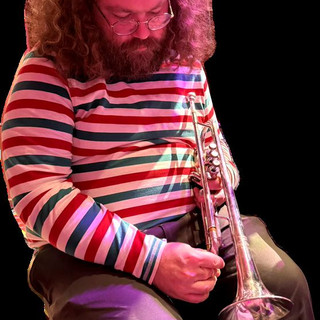
Learning to play the trombone can be an exciting journey. Whether you are a beginner or an experienced player, private lessons can help you improve your skills. With the right guidance, you can unlock your potential and enjoy the beauty of music.
In this blog post, we will explore the benefits of private trombone lessons, especially those taught by instructors with symphony orchestra experience. We will also discuss what to expect from these lessons, how to find the right teacher, and tips for making the most of your learning experience.
The Benefits of Private Lessons
Private lessons offer several advantages over group classes. Here are some key benefits:
Personalized Attention: In a private lesson, the instructor can focus solely on you. This means they can tailor the lessons to your specific needs and goals.
Flexible Scheduling: You can often choose lesson times that fit your schedule. This flexibility can make it easier to commit to regular practice.
Faster Progress: With one-on-one instruction, you can progress at your own pace. If you grasp a concept quickly, you can move on. If you need more time, your teacher can provide additional support.
Immediate Feedback: Your instructor can give you instant feedback on your playing. This helps you correct mistakes and improve more quickly.
Access to Expertise: Learning from someone with symphony orchestra experience means you are getting insights from a professional. They can share tips and techniques that are used in high-level performances.
What to Expect from Your Lessons
When you start private trombone lessons, you can expect a structured approach to learning. Here are some common elements of a typical lesson:
Warm-Up Exercises: Most lessons will begin with warm-up exercises. These help you get comfortable with your instrument and improve your technique.
Technique Development: Your instructor will focus on developing your playing technique. This may include breath control, slide positions, and tone production.
Repertoire Selection: You will likely work on specific pieces of music. Your teacher can help you choose pieces that match your skill level and interests.
Performance Practice: If you are preparing for a concert or audition, your lessons will include performance practice. This helps you build confidence and stage presence.
Feedback and Goal Setting: At the end of each lesson, your instructor will provide feedback and help you set goals for your next session.
Finding the Right Instructor
Choosing the right instructor is crucial for your success. Here are some tips for finding a great trombone teacher:
Check Qualifications: Look for instructors with a strong background in music. Those with symphony orchestra experience can offer unique insights.
Read Reviews: Look for testimonials from other students. Positive reviews can indicate a teacher's effectiveness.
Schedule a Trial Lesson: Many instructors offer a trial lesson. This allows you to see if their teaching style works for you.
Discuss Goals: Before committing, discuss your goals with the instructor. Make sure they understand what you want to achieve.
Consider Personality: A good rapport with your teacher can enhance your learning experience. Choose someone you feel comfortable with.
Tips for Making the Most of Your Lessons
To get the best results from your private trombone lessons, consider these tips:
Practice Regularly: Consistent practice is key to improvement. Set aside time each day to work on your skills.
Stay Open to Feedback: Be receptive to your instructor's feedback. Constructive criticism can help you grow as a musician.
Set Specific Goals: Work with your instructor to set clear, achievable goals. This will give you direction and motivation.
Record Your Progress: Consider recording your practice sessions. Listening back can help you identify areas for improvement.
Stay Positive: Learning an instrument can be challenging. Keep a positive attitude and celebrate your progress, no matter how small.
The Joy of Playing in an Orchestra
One of the most rewarding experiences for a trombone player is performing in an orchestra. Here are some reasons why playing in an orchestra is special:
Collaboration: Playing in an orchestra teaches you how to work with others. You learn to listen and blend your sound with other instruments.
Diverse Repertoire: Orchestras perform a wide range of music. This exposure can help you develop your musical taste and skills.
Performance Opportunities: Being part of an orchestra provides opportunities to perform in front of an audience. This experience can boost your confidence.
Community: Joining an orchestra connects you with fellow musicians. This sense of community can enhance your love for music.
The Role of a Trombone in an Orchestra
The trombone plays a unique role in an orchestra. Here are some key points about its contribution:
Harmonic Support: The trombone often provides harmonic support in orchestral music. It adds depth and richness to the overall sound.
Melodic Lines: In some pieces, the trombone takes on melodic lines. This showcases the instrument's expressive capabilities.
Dynamic Range: The trombone can produce a wide dynamic range, from soft, lyrical passages to powerful, bold statements.
Color and Texture: The trombone adds color and texture to the orchestral palette. Its unique timbre enhances the overall musical experience.
Preparing for Your First Lesson
If you are new to trombone lessons, here are some tips to prepare for your first session:
Bring Your Instrument: Make sure to bring your trombone to the lesson. If you do not have one yet, ask your instructor for recommendations.
Have Music Ready: If you have specific pieces you want to work on, bring the sheet music. This will help your instructor understand your interests.
Be Ready to Learn: Approach your first lesson with an open mind. Be prepared to learn new techniques and concepts.
Ask Questions: Do not hesitate to ask questions during your lesson. This is your opportunity to gain clarity on any topics you find challenging.
The Importance of Consistent Practice
Regular practice is essential for mastering the trombone. Here are some strategies to help you stay consistent:
Create a Practice Schedule: Set aside specific times each week for practice. Treat these sessions as important appointments.
Set Short-Term Goals: Break your practice into manageable goals. Focus on one aspect of your playing at a time.
Use a Metronome: Practicing with a metronome can help you develop your timing and rhythm.
Mix It Up: Vary your practice routine to keep things interesting. Include warm-ups, technique exercises, and repertoire work.
Embracing the Journey
Learning to play the trombone is a journey filled with challenges and rewards. Embrace the process and enjoy the music you create.
As you progress, remember that every musician has their own path. Celebrate your achievements, no matter how small, and keep pushing yourself to improve.
With the right guidance and dedication, you can become a skilled trombone player. Whether you dream of playing in a symphony orchestra or simply want to enjoy music for yourself, private lessons can help you reach your goals.

As you embark on this musical adventure, keep your passion for the trombone alive. The joy of making music is a gift that lasts a lifetime.


Comments